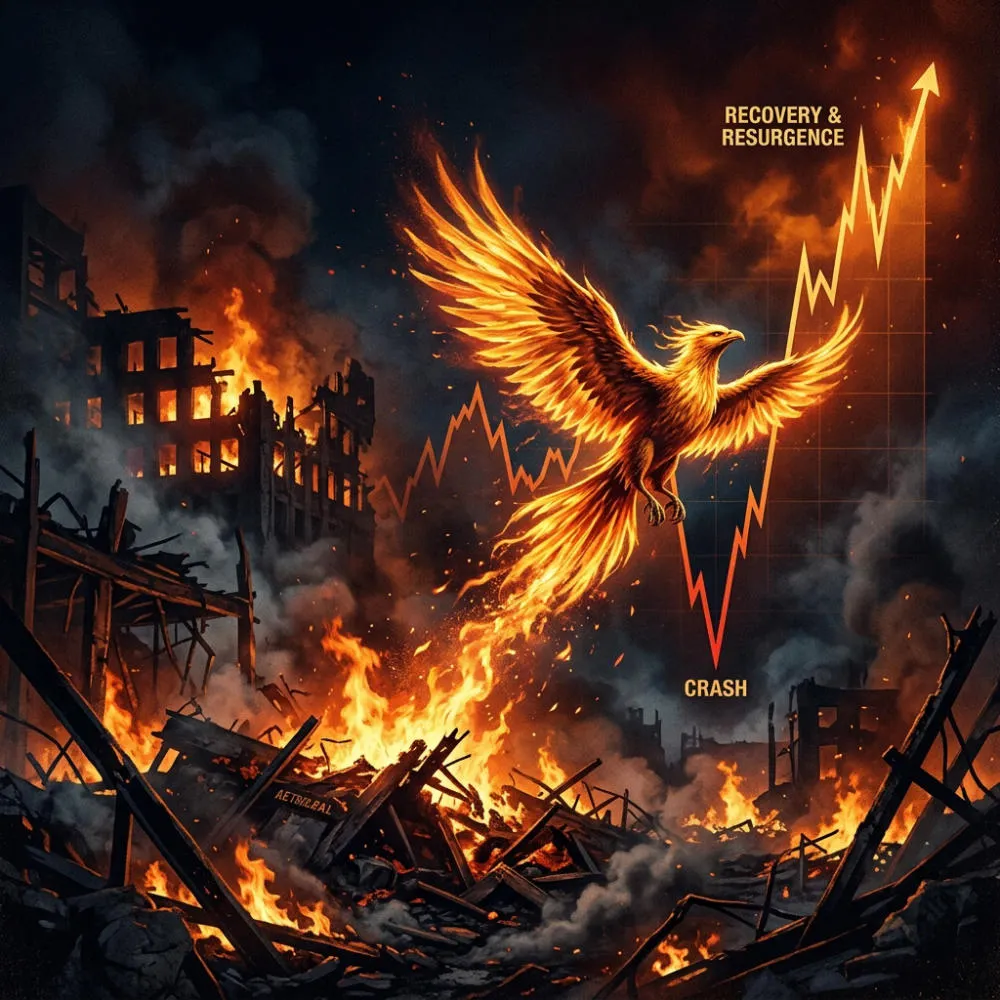
January 2022. Zomato’s stock price has crashed 65% from its peak. The company went public in India’s largest tech IPO of 2021, raised enormous enthusiasm, and then watched its valuation collapse as investors processed the reality of food delivery unit economics. The company is losing money. Critics are questioning whether food delivery as a business model can ever be sustainably profitable in India’s highly price-sensitive market. Several analysts publish research reports recommending investors sell the stock.
In this environment — when the rational, investor-pleasing, board-of-directors-approved move would be to cut costs aggressively, show a path to profitability, and reassure markets — Deepinder Goyal does something that his own investors do not immediately understand: he initiates negotiations to acquire Blinkit.
A pivotal moment in one of history’s most dramatic business stories.
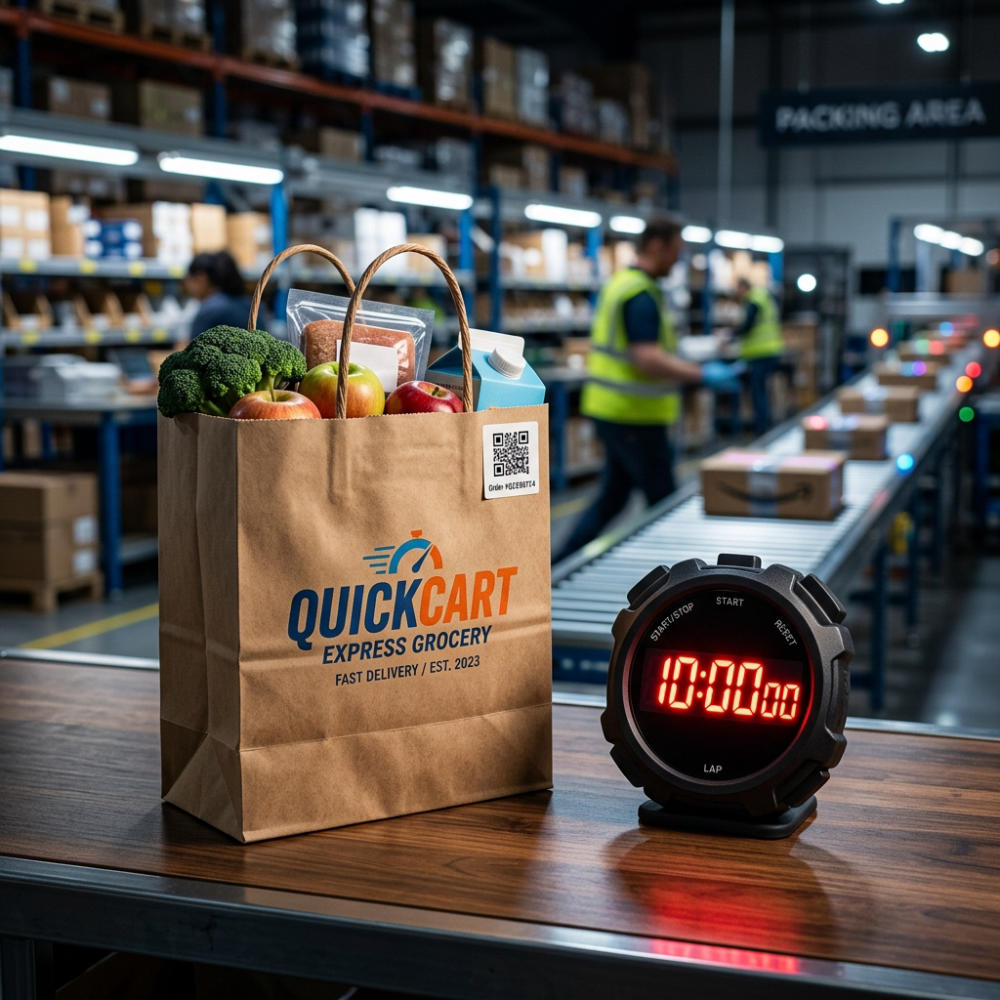
Blinkit (formerly Grofers) is a quick-commerce startup promising 10-minute grocery delivery. It is also, at this precise moment, extraordinarily troubled. It has been burning cash at an alarming rate, has laid off hundreds of employees, is shutting down cities, and is in a desperate capital crunch. Its business model is deeply skeptical territory: can you profitably deliver groceries to urban Indians in 10 minutes? The costs of the dark store infrastructure, the delivery personnel, the inventory management — can any of this math ever work?
Jugaad Innovation
Innovation
Definition
The Indian concept of frugal, creative problem-solving with minimal resources — finding efficient solutions by working with constraints rather than against them.
Real Example from This Story
Nirma’s door-to-door delivery on a bicycle was jugaad: maximum distribution impact from minimum capital investment.
Why It Matters
Jugaad-style innovation produces products that are affordable at scale, sustainable at volume, and resilient under resource constraints.
Goyal’s answer is: it will work. Not now. But it will. And Zomato needs to own it before someone else does or before the category defines itself without them.
A pivotal moment in one of history’s most dramatic business stories.
The acquisition closes for $568 million — all-stock, because cash is precisely what neither company has in abundance. Investors react with alarm. The narrative is obvious and bad: a bleeding company acquires a bleeding company, creating a combined entity with twice the problems and no clear profitability timeline. Zomato stock falls further. The criticism is loud and pointed.
“We believe Blinkit will be an extremely important business for us going forward, and we want to make sure we are not looking back a few years from now, wishing we had acted more boldly.”
— Deepinder Goyal, Zomato CEO, 2022
What happened over the following two years defied the critics comprehensively. Blinkit’s dark store network — the small warehouses positioned within 2 kilometers of high-density urban populations — proved to be a fundamental infrastructure asset. The 10-minute promise was not just a marketing gimmick; it represented a genuine behavioral shift in how urban Indians thought about convenience. People who would never have paid a premium for next-day grocery delivery were enthusiastically paying for 10-minute delivery because the speed itself changed the decision — you didn’t need to plan, you didn’t need to stock up, you could just order exactly what you needed right now.
Relationship Marketing
Marketing Strategy
Definition
Building long-term customer relationships based on trust, consistency, and personal connection, rather than transaction-by-transaction acquisition.
Real Example from This Story
Karsanbhai Patel’s door-to-door money-back guarantee was relationship marketing before the term existed — personal trust was the acquisition channel.
Why It Matters
Relationship marketing in price-sensitive markets creates loyalty that price competition cannot easily break. Trust is worth more than discount.
By 2024, Blinkit had become Zomato’s fastest-growing and, by many metrics, most strategically valuable business unit. Its order volumes were growing at triple-digit rates. Its contribution margins were improving quarter by quarter. Analysts who had criticized the acquisition were revising their valuations upward, attributing significant premium to the Blinkit platform. The Zomato stock that had crashed 65% from its IPO peak had recovered and exceeded those levels.
India’s market has produced some of the most dramatic business stories on Earth.
The $568 million bet that nobody understood in 2022 became the decision that defined Zomato’s future. This is what conviction looks like when the numbers are ugly and the story hasn’t been written yet.
In 2022, Zomato’s stock had crashed 65%. Analysts were questioning its survival. Deepinder Goyal responded by acquiring Blinkit — a struggling, cash-burning quick commerce startup — for $568 million. Two years later, Blinkit is Zomato’s most valuable asset.
What This Story Actually Teaches You
-
1
India’s greatest competitive advantage in business is deep consumer insight: understanding price sensitivity, trust dynamics, and cultural context better than any multinational. -
2
The bottom of the income pyramid in India is not a welfare problem — it is the world’s largest untapped premium market waiting for the right price point. -
3
The most successful Indian businesses have consistently beaten global competitors by being more Indian, not by becoming more Western. -
4
Distribution in India is a competitive moat: reaching 640,000 villages requires infrastructure that cannot be quickly replicated. -
5
India’s family business culture — with its multi-generational commitment to brand and quality — creates a loyalty that corporate ownership structures rarely match.
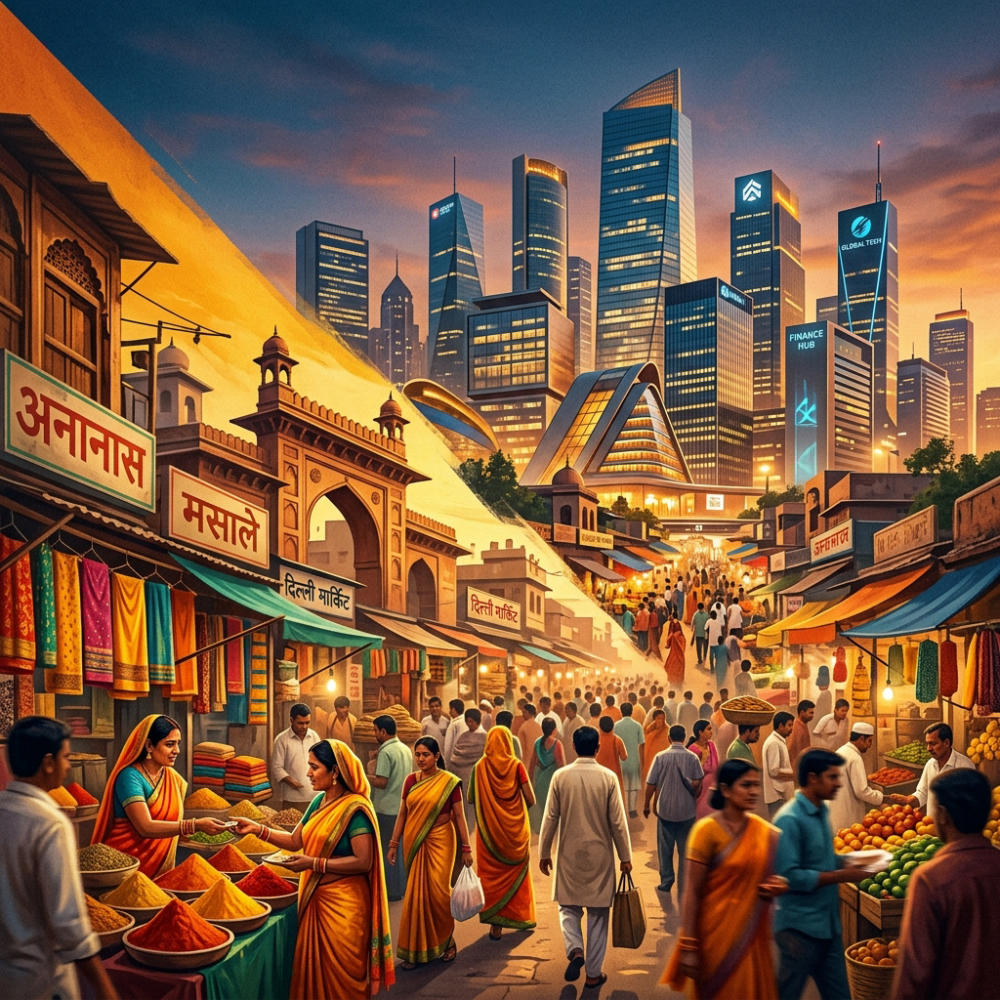
India rewards businesses that solve genuine Indian problems in Indian ways. The multinationals that have failed in India consistently made the mistake of applying Western consumer models to an entirely different consumer psychology.